


Sri Lanka is a country blessed with breathtaking natural beauty and rich cultural heritage. From the golden beaches of Unawatuna, Mirissa, and Bentota, to the dramatic cliffs of Sigiriya Rock Fortress and Pidurangala, the country’s landscapes are diverse and awe-inspiring. The misty highlands of Nuwara Eliya and Ella, with their rolling tea estates and waterfalls, offer a cool retreat, while dense rainforests like Sinharaja Forest Reserve provide a sanctuary for endemic birds, butterflies, and other wildlife.
National parks such as Yala, Udawalawe, Wilpattu, and Horton Plains allow visitors to encounter elephants, leopards, and other iconic species in their natural habitats. Meanwhile, coastal ecosystems, including coral reefs in Pigeon Island National Park and mangroves along Mundal and Negombo, are critical for fisheries and coastal protection. These treasures are not only central to Sri Lanka’s identity but also form the backbone of its economy, supporting tourism, agriculture, and local crafts.
Tourism has long been one of Sri Lanka’s fastest-growing industries, drawing millions of visitors each year who come to enjoy beaches, wildlife, cultural heritage, and adventure experiences. Eco-tourism initiatives, such as community-managed homestays in Ella or guided rainforest tours in Sinharaja, are also creating opportunities for local communities to benefit directly from visitors while promoting conservation.
However, the growing demand for tourism places increasing pressure on the environment. Crowded beaches, coral reef damage, deforestation, waste mismanagement, and unplanned development threaten the very natural and cultural attractions that make Sri Lanka unique. Balancing economic growth with environmental protection has become a critical challenge and an urgent opportunity for the country.
The answer lies in learning from global examples, investing in sustainable practices, and valuing natural resources as an integral part of economic development.
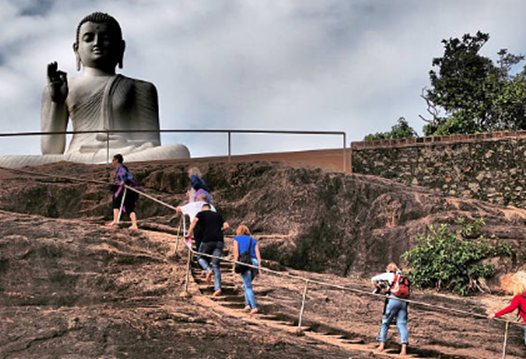
Why Tourism and the Environment Go Hand in Hand
Tourism is more than just a source of foreign exchange for Sri Lanka — it is a major engine for economic growth, employment, and community development. Visitors from around the world flock to the island to experience its pristine beaches, lush rainforests, historic temples, and vibrant cultural festivals. As they spend on accommodation, transport, food, and activities, their contributions ripple through the economy, supporting countless jobs and small businesses.
According to the Sri Lanka Tourism Development Authority (SLTDA), tourism directly and indirectly employs hundreds of thousands of people and generates billions of U.S. dollars in foreign exchange. From hotel staff and tour guides to local artisans and transport operators, the industry touches the lives of many communities, particularly in rural and coastal areas.
Here’s a detailed look at how tourism has contributed to Sri Lanka’s economy in recent years:
Sri Lanka Tourism Contribution Data (2010–2023)
| Year | Tourism GDP Share (%) | Tourism Employment (000s) | Foreign Exchange Earnings (US$ m) |
| 2010 | 2.9% | 120 | 575 |
| 2015 | 4.7% | 200 | 2,980 |
| 2019 | 5.6% | 250 | 4,400 |
| 2023 | 4.3%* | 180* | 2,100* |
*Recovery years after COVID-19 and domestic economic challenges
This table tells an important story:
- Tourism is a major economic drive. In peak years, tourism contributed over 5% of Sri Lanka’s GDP, demonstrating its significance as a source of income and employment for the country.
- Tourism is sensitive to global and domestic shocks. Crises like the COVID-19 pandemic and economic challenges caused a sharp drop in tourist arrivals and earnings, highlighting the need for a resilient, sustainable tourism model that can withstand unexpected disruptions.
The relationship between tourism and the environment is also critical. Tourists are attracted to Sri Lanka’s natural and cultural heritage sites, from the coral reefs of Pigeon Island to the wildlife in Yala National Park and the tea terraces of Nuwara Eliya. If these ecosystems are damaged by unregulated development, waste, or over-tourism, the appeal of the destination diminishes, affecting livelihoods and long-term revenue.
In other words, a healthy environment is the foundation of a thriving tourism industry. Protecting forests, coral reefs, and wildlife not only preserves Sri Lanka’s unique beauty but also ensures that tourism remains a sustainable, reliable source of income for future generations.
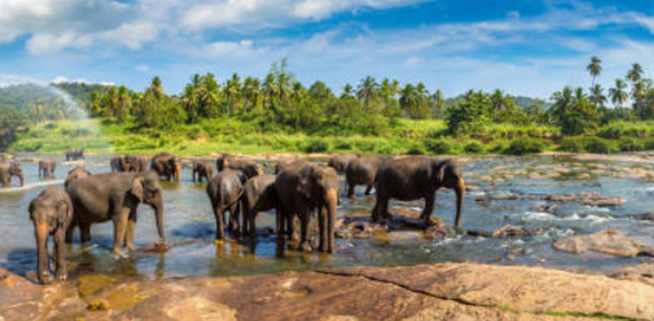
Environmental Challenges Linked to Tourism
As the number of tourists visiting Sri Lanka continues to grow, the country faces several serious environmental challenges that could threaten both nature and the tourism industry itself.
- Coastal Erosion
Popular beach destinations like Unawatuna, Mirissa, and Bentota have seen rapid development of hotels, resorts, and other tourist facilities. While this creates jobs, unplanned construction too close to the shoreline can accelerate coastal erosion. Over time, this can lead to shrinking beaches, damaged ecosystems, and higher risks of flooding for nearby communities. - Deforestation
The highlands and forested areas, such as Sinharaja Forest Reserve and the hill country near Nuwara Eliya, are often cleared to make way for new resorts, roads, or tea estate expansions. Deforestation not only destroys wildlife habitats but also reduces the natural beauty that draws tourists to these areas. - Coral Reef Damage
Coral reefs, like those around Pigeon Island National Park and Hikkaduwa, are under threat from pollution, boat anchors, and unsustainable tourist activities such as snorkeling and diving without proper guidance. Coral reefs are vital for protecting coastlines, supporting fisheries, and attracting visitors — if damaged, these benefits are lost. - Waste Management Issues
With growing tourist numbers, solid waste — particularly plastics — has become a major problem. Beaches, rivers, and national parks can be littered with garbage, harming wildlife and creating unpleasant experiences for visitors. Communities in places like Negombo and Galle are working to improve recycling and waste management, but more effort is needed.
If these issues are left unmanaged, they could significantly harm the environment and reduce Sri Lanka’s appeal as a tourist destination. Visitors come to Sri Lanka for its pristine beaches, lush forests, and rich biodiversity, not for overcrowded resorts, polluted beaches, or degraded natural sites.
In short, protecting the environment is not just a conservation effort. It is essential for the long-term success of tourism and the livelihoods of millions of people who depend on it. By taking action now, Sri Lanka can ensure that future generations continue to enjoy its natural beauty while sustaining its economy.
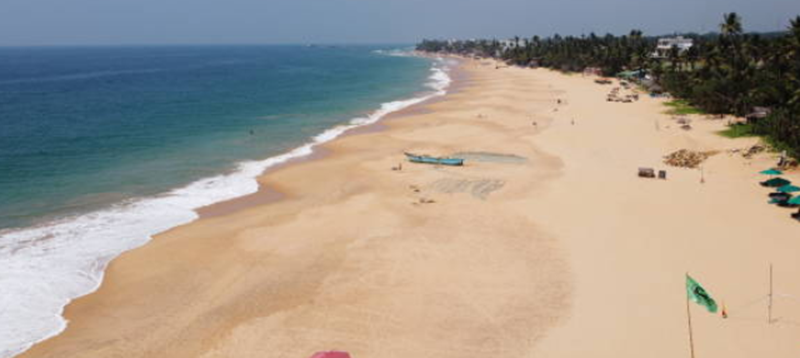
Several countries have shown how to balance tourism growth with environmental protection. Here are a few powerful examples:
- Costa Rica: Known as a global leader in ecotourism, Costa Rica invested in reforestation and introduced Payments for Ecosystem Services (PES). Today, over 50% of its land is forested, compared to just 25% in the 1980s, and nature-based tourism makes up 8% of its GDP.
- Bhutan: This Himalayan nation adopted a “high-value, low-impact” tourism model. Visitors pay a Sustainable Development Fee (SDF), which ensures that tourism revenue supports conservation and cultural preservation. As a result, Bhutan remains carbon negative while still benefiting economically.
- Maldives: Facing coral reef degradation, the Maldives implemented marine zoning and promoted eco-friendly luxury resorts. By branding itself as a sustainable paradise, it has managed to attract high-spending tourists while protecting its ecosystems.
- Namibia and Kenya: Both countries introduced community-based conservancies, allowing local people to benefit directly from wildlife tourism. This approach has boosted wildlife populations and improved rural incomes.
These examples show that economic growth and environmental stewardship are not opposites: when designed carefully, they reinforce each other.
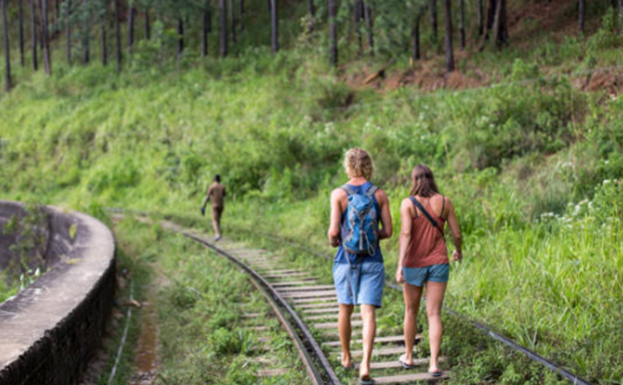
How Sri Lanka Can Move Forward
For Sri Lanka, several opportunities stand out:
- Promote Ecotourism in Protected Areas
- Eco-lodges near Sinharaja Forest or Yala National Park can create jobs while ensuring minimal ecological footprint.
- Community-led tourism in rural areas (like tea estates or small villages) can spread the benefits beyond major cities.
- Adopt a “High-Value, Low-Impact” Strategy
- Instead of chasing sheer numbers, Sri Lanka could position itself like Bhutan: focus on fewer, higher-spending tourists who value culture and sustainability.
- Special conservation fees at key sites (like Sigiriya or national parks) could generate funds for protection.
- Invest in Waste and Energy Solutions
- Promote circular economy practices such as plastic recycling in coastal towns.
- Encourage hotels to adopt renewable energy sources and green certification.
- Leverage International Funding
- Programs like REDD+ (Reducing Emissions from Deforestation and Degradation) and global carbon markets could bring financial incentives for forest and mangrove protection.
- Use Data to Inform Policy
- By tracking tourism’s economic contribution alongside environmental indicators (forest cover, air quality, coral reef health), Sri Lanka can ensure policies are based on evidence, not just short-term gains.
Why This Matters for Everyone
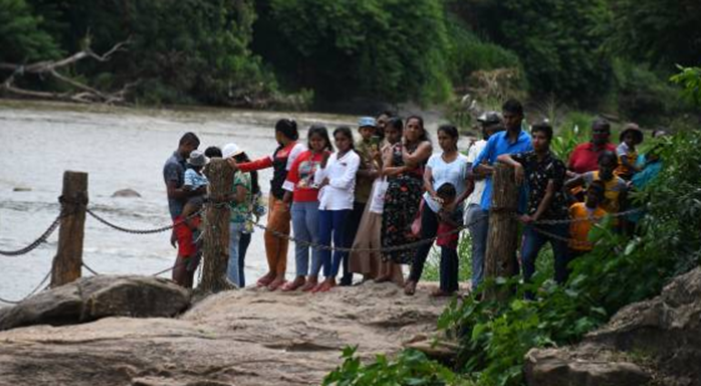
Sustainable tourism in Sri Lanka is not just about attracting more visitors — it has real impacts on people, communities, and the environment. Its benefits go far beyond hotels and tour operators.
For Sri Lankans
Sustainable tourism means a better quality of life for local communities:
- Cleaner air and water: Protecting forests, rivers, and coastal areas ensures that everyone — from children in schools to farmers and fishermen — can enjoy a healthier environment.
- Stronger and more resilient communities: When tourism is managed sustainably, local people benefit economically through eco-lodges, guided tours, handicrafts, and farm-to-table experiences. Communities near Sinharaja Forest Reserve or Ella can generate income without degrading their environment.
- Preserved heritage and biodiversity: Protecting historic temples like Anuradhapura or natural treasures like Yala National Park ensures that future generations can continue to experience the country’s unique culture and wildlife.
For Visitors
For tourists, sustainable practices create a more authentic and enjoyable experience. Clean beaches, healthy coral reefs, vibrant wildlife, and well-preserved cultural sites make travel more memorable. Visitors can also connect with local communities, learn about traditional lifestyles, and feel good knowing their travel choices support conservation.
For the Global Community
Sri Lanka’s commitment to sustainable tourism also sends a powerful message to the world. By protecting forests, coral reefs, and wildlife, Sri Lanka contributes to the fight against climate change, supports biodiversity, and provides a model for other small developing nations seeking to balance economic growth with environmental stewardship.
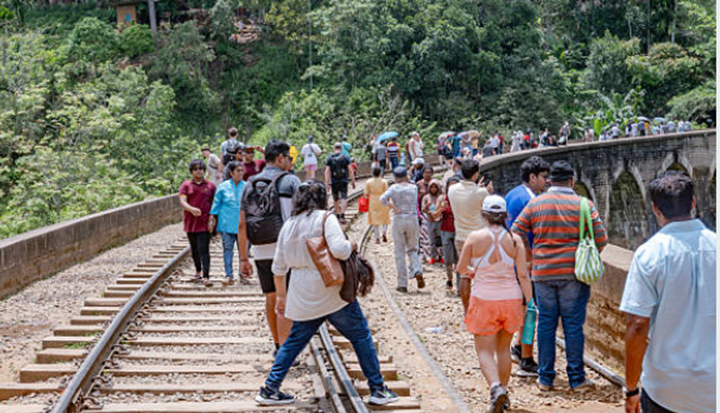
In essence, everyone has a role to play — from tourists who make eco-friendly choices, to local communities protecting their resources, to policymakers shaping sustainable strategies. By working together, Sri Lanka can ensure that its natural and cultural wealth continues to thrive, creating a win-win for people, nature, and the economy.
Final Thoughts
Sri Lanka stands at a crossroads. The country can either pursue short-term tourism growth at the expense of its environment, or it can take the path of sustainable prosperity, learning from countries like Costa Rica, Bhutan, and the Maldives, which have successfully balanced economic growth with conservation.
The potential is clear: tourism already brings in billions of dollars, but if linked with environmental protection, it can bring in even more , while preserving the natural and cultural treasures that make Sri Lanka unique, from the coral reefs of Pigeon Island to the forests of Sinharaja and the heritage sites of Sigiriya.
But achieving this balance is not only the responsibility of governments or businesses . It also depends on what we, as individuals and communities, do every day. Everyone has a role to play:
- As travelers: choose eco-friendly hotels and resorts, respect local customs, avoid activities that harm wildlife or coral reefs, and support community-led tourism initiatives.
- As local communities: promote homestays, handicrafts, and sustainable agriculture, participate in beach clean-ups, tree planting, and conservation programs, and educate visitors about local ecosystems.
- As citizens: reduce single-use plastics, recycle, support renewable energy projects, advocate for stronger environmental policies, and vote for leaders who prioritize sustainability.
Small actions: Small actions such as refusing plastic bags, planting trees, buying local products, or participating in wildlife protection programs can add up to create significant change. Collectively, these choices have the power to transform Sri Lanka into a model of green growth, attracting tourists while preserving natural resources and strengthening local livelihoods.
In short, protecting the environment is not a barrier to growth—it is the key to it. When travelers, communities, citizens, and governments work together, Sri Lanka can protect its natural beauty and culture while building a strong and lasting economy for today and future generations.
Sources:
- Sri Lanka Tourism Development Authority (SLTDA). Annual Statistical Reports.
- World Bank Data (2023). International Tourism, Number of Arrivals and Receipts.
- UNWTO (2022). Tourism and Sustainable Development.
- Costa Rica Ministry of Environment and Energy. Payments for Ecosystem Services.
- Bhutan Tourism Council. High Value, Low Impact Tourism Policy.
- Maldives Ministry of Tourism. Tourism Master Plan.


