


A well-nourished child is more than a healthy child. That child represents a stronger workforce, a more productive economy, and a brighter future for the nation...
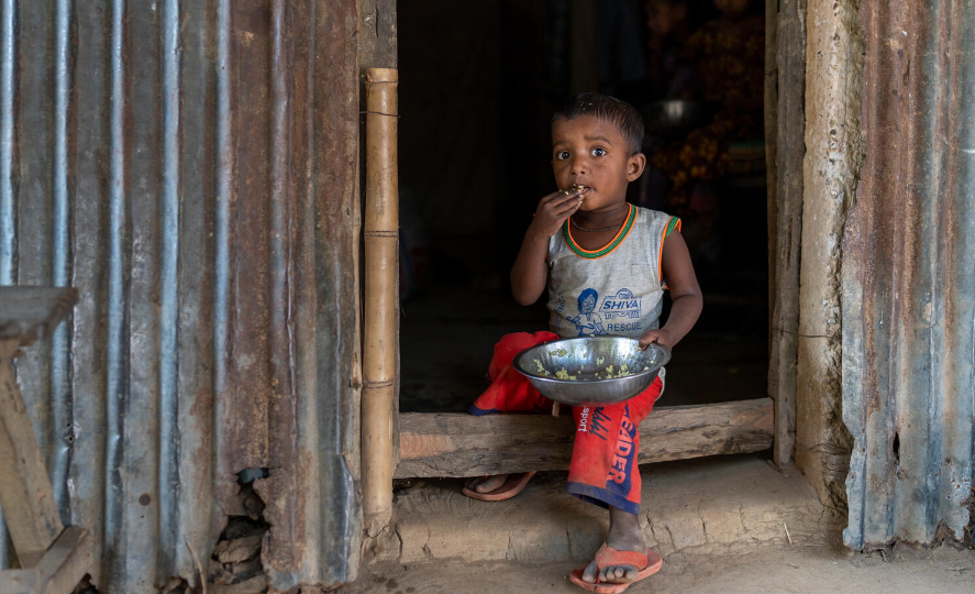
A country’s economic success is often measured by its gross domestic product, exports, industrial development, infrastructure, and employment opportunities. But there is another equally important measure of national prosperity that deserves far greater attention: the nutritional well-being of its children.
Children are not simply dependents of today’s economy. They are tomorrow’s farmers, entrepreneurs, professionals, scientists, teachers, and decision-makers. Their health, education, and productivity will determine the future strength of the nation. Therefore, ensuring that every child has access to sufficient, safe, and nutritious food should not be viewed merely as a social welfare responsibility. It should be recognized as one of the most important economic investments a country can make.
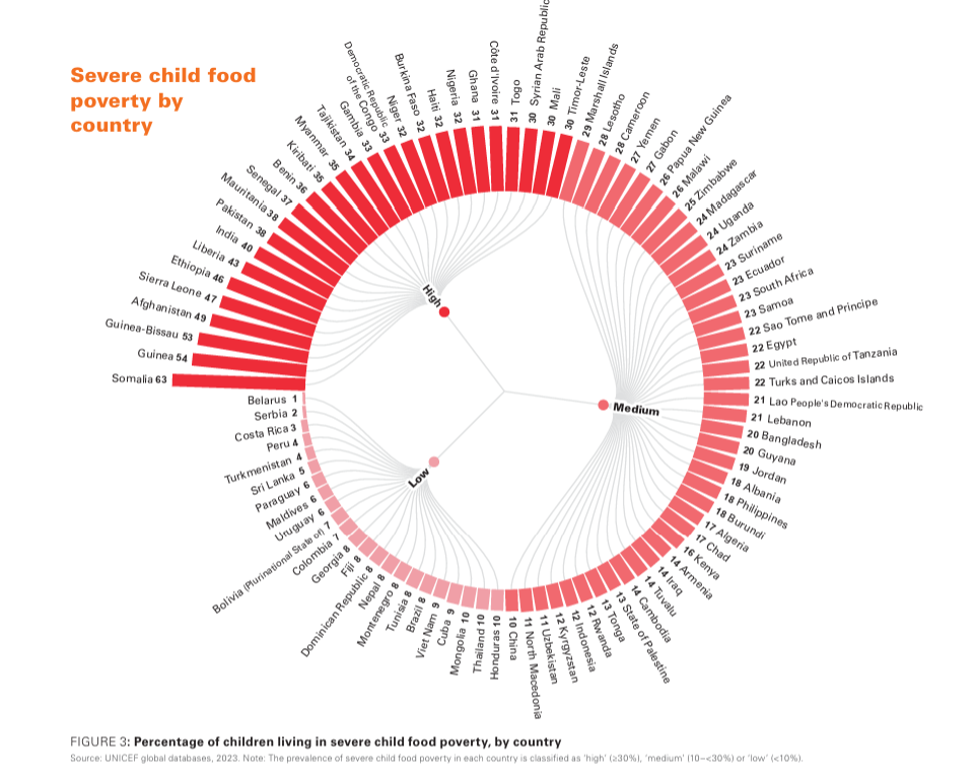
For Sri Lanka, this issue deserves particular attention. As the country continues to recover from a serious economic crisis and works toward sustainable economic development, investing in children’s nutrition is essential to building a healthier, more productive, and economically resilient generation.
Hunger Is Not Always Visible
Child food insecurity remains a major development challenge in many developing countries. It occurs when children do not have reliable access to sufficient and nutritious food for healthy growth and development.
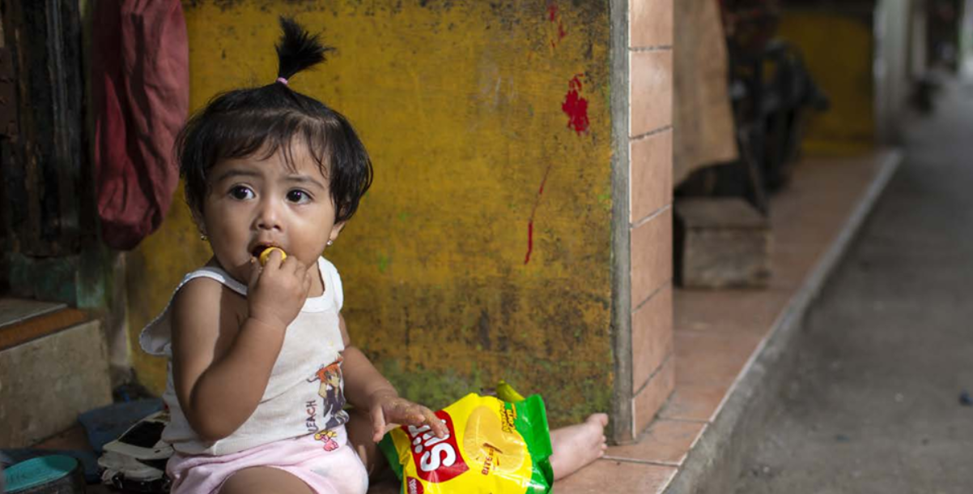
Importantly, hunger is not always visible. A child may eat every day and still suffer from inadequate nutrition. A diet dominated by rice or other staple foods may provide sufficient calories but lack essential proteins, vitamins, minerals, and other nutrients.
This hidden form of nutritional deprivation can have lasting consequences for children’s physical development, learning ability, and future economic opportunities.
Nutrition: The Foundation of a Productive Economy
The relationship between childhood nutrition and economic development begins with human capital. Human capital refers to the knowledge, skills, health, and capabilities that individuals develop and use to contribute to economic activity.
Proper nutrition, particularly during pregnancy and the first five years of life, plays a critical role in developing this human capital.
Research published in The Lancet by Black et al. (2013) highlights the serious consequences of maternal and child undernutrition, including impaired physical growth and cognitive development. Similarly, Hoddinott et al. (2013) explain the economic rationale for investing in reducing childhood stunting, emphasizing its potential long-term benefits for productivity and earnings.
Consider a child who experiences chronic undernutrition during early childhood. The consequences may extend far beyond physical growth. Poor nutrition can affect brain development, concentration, school readiness, and learning outcomes. As that child enters adulthood, these early disadvantages may translate into lower educational attainment, fewer employment opportunities, and reduced earning potential.
When these disadvantages affect a substantial proportion of the population, the consequences extend beyond individual families. They become a national economic concern.
An economy cannot fully realize its development potential if a significant proportion of its future workforce is unable to reach its full capabilities because of nutritional deprivation.
Sri Lanka: The Economic Cost of Child Food Insecurity
Sri Lanka provides an important example of how economic instability can threaten household food security. The economic crisis that intensified in 2022 placed considerable pressure on household incomes and purchasing power. Rising food prices, shortages, and declining real incomes made it increasingly difficult for vulnerable families to maintain adequate and nutritious diets.
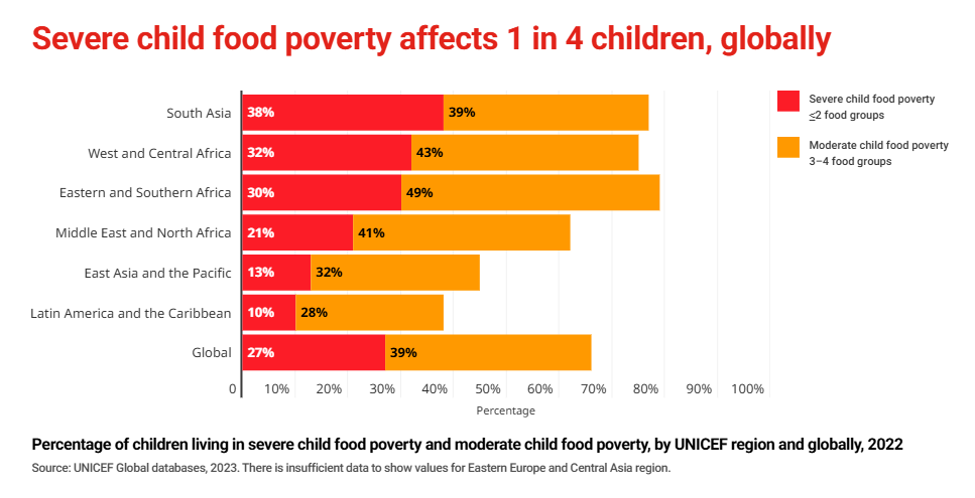
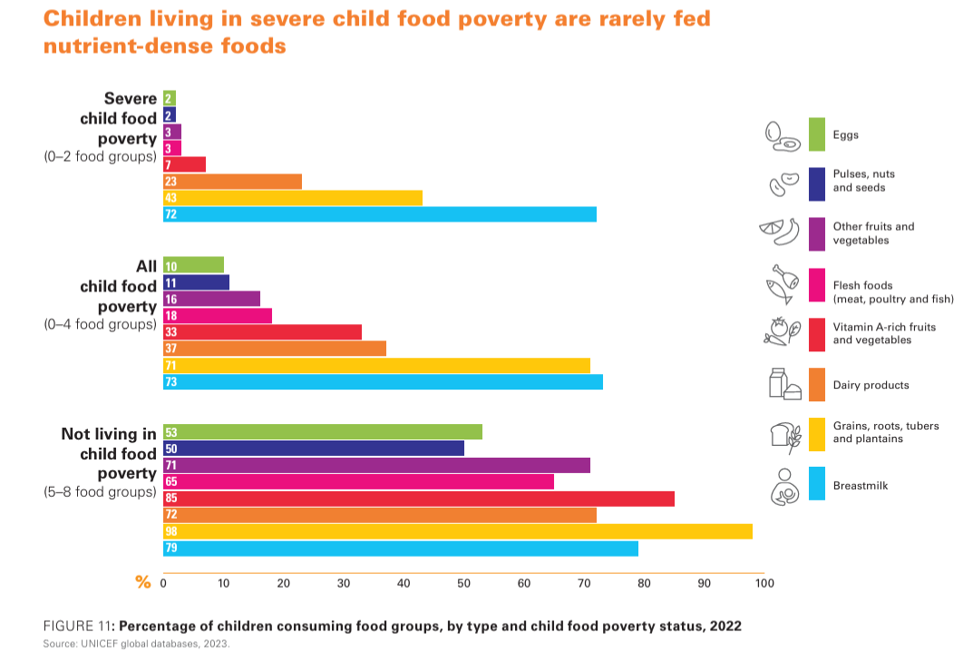
The scale of the challenge is reflected in the nutritional statistics. According to UNICEF’s 2024 Child Food Poverty report, approximately 22 percent of Sri Lankan children aged 6–23 months experienced child food poverty during the period covered by the country’s estimates (2016–2022). This included approximately 5 percent experiencing severe child food poverty and 17 percent experiencing moderate child food poverty.
The distinction is important. UNICEF’s child food poverty measure considers the diversity of food groups consumed by young children. Severe child food poverty refers to children consuming foods from no more than two food groups per day, while moderate child food poverty refers to consumption from three or four food groups.
These figures reveal a problem that cannot be understood simply by looking at how much food is available or how many calories children consume. The nutritional quality and diversity of their diets matter just as much.
Sri Lanka’s broader under-five nutritional indicators also deserve attention. According to the Family Health Bureau’s Nutrition Month statistics, approximately 16.1 percent of children under five were classified as underweight, 10.1 percent as stunted, and 8.6 percent as wasted in 2025.
These indicators demonstrate that nutritional challenges remain significant, even as the country continues its economic recovery.
The economic crisis also highlighted an important distinction: food availability does not automatically guarantee food security. Markets may have food supplies, but households without sufficient purchasing power may be unable to afford a balanced diet.
UNICEF Sri Lanka documented a nutrition-sensitive cash transfer programme that supported more than 114,000 families with young children for five months. Linked with health and nutrition services, this initiative illustrates how financial assistance and nutrition education can work together to protect vulnerable households.
Beyond Rice: Why Dietary Diversity Matters
Sri Lanka has a rich agricultural heritage and a diverse food culture. Rice, pulses, vegetables, leafy greens, fruits, fish, eggs, and other locally available foods can provide important nutritional benefits.
However, household food choices are influenced by income, food prices, availability, and knowledge about nutrition.
A child who consumes sufficient calories from rice and other staple foods may nevertheless experience micronutrient deficiencies. This is why food security policies should focus not only on producing sufficient quantities of food but also on ensuring access to diverse, nutritious, and affordable diets.
There is also an important economic opportunity here.
Improving access to diverse diets can create stronger demand for locally produced fruits, vegetables, pulses, eggs, dairy products, and fish. This can strengthen domestic agricultural markets and generate income opportunities for smallholder farmers, fishermen, and other food producers.
Policies that connect local producers with schools, hospitals, and community nutrition programmes can potentially achieve two important objectives simultaneously: improving child nutrition and strengthening rural economic development.
In other words, investing in children’s nutrition can also mean investing in Sri Lanka’s agricultural economy.
Lessons from Other Developing Countries
International experiences demonstrate that child nutrition programmes can generate benefits beyond the immediate provision of food.
India’s school meal programme illustrates how providing meals through educational institutions can address hunger while supporting children’s participation in education. Brazil’s National School Feeding Programme offers another valuable example by connecting school food procurement with family farming and local agricultural production.
These experiences offer an important lesson for Sri Lanka: nutrition interventions should be designed as part of broader economic and development strategies.
School feeding programmes, however, should not be considered substitutes for adequate household nutrition. They should complement other interventions that support maternal health, early childhood nutrition, household purchasing power, food safety, and access to healthcare.
What Can Sri Lankan Families and Communities Do?
Addressing child food insecurity does not always require large government programmes or substantial financial resources. Meaningful improvements can begin within households and communities.
Improve food choices at home. Parents and caregivers should pay greater attention to the nutritional quality and diversity of children’s meals. Including locally available foods such as green leafy vegetables, pulses, eggs, fish, fruits, and other affordable sources of protein can improve dietary diversity. A nutritious diet does not necessarily require expensive imported food products. Traditional Sri Lankan foods, when properly combined, can provide many essential nutrients.
Reduce household food waste. Families can plan meals, purchase food responsibly, store food safely, and make better use of available ingredients. Reducing food waste saves household money and conserves the resources used in agricultural production, transportation, and distribution.
Support local farmers and food producers. Purchasing seasonal fruits, vegetables, pulses, eggs, and other nutritious products from local farmers and markets helps strengthen domestic food systems. It also supports smallholder farmers and rural livelihoods.
Strengthen community-level support. Religious institutions, community organizations, alumni associations, businesses, and voluntary groups can work together to support children from economically vulnerable households through school meals, food donations, community gardens, and nutrition awareness programmes. Such assistance should always respect the dignity and privacy of families receiving support.
Invest in nutrition knowledge. Parents, teachers, and community leaders can help children understand the importance of healthy eating from an early age. Schools can encourage home gardening, practical nutrition education, and healthier food choices. Businesses and employers can also contribute by supporting community nutrition initiatives.
These actions may appear small individually. However, when adopted by thousands of households and communities, they can contribute to meaningful improvements in child nutrition, local agricultural markets, and household economic well-being.
Breaking the Cycle of Poverty Through Investment in Children
Child food insecurity can contribute to an intergenerational cycle of poverty. A child who experiences nutritional deprivation may face developmental and educational disadvantages. These disadvantages can influence future employment and income, potentially limiting the resources available to support the next generation.
Breaking this cycle requires coordinated action.
The government should strengthen nutrition-sensitive social protection programmes, improve access to affordable nutritious foods, support school feeding initiatives, and promote nutrition education among parents and caregivers. Agricultural policies should also recognize that food production is not simply about producing more calories. It is about producing diverse, safe, and nutritious foods that households can afford.
Climate change adds another dimension to this challenge. Droughts, floods, changing rainfall patterns, and agricultural production losses can increase food price instability and threaten household food security. Investments in climate-resilient agriculture, diversified food production, and reliable supply chains are therefore also investments in children’s nutrition.
Ultimately, the economic success of a country should not be measured only by how much it produces today, but also by the opportunities and capabilities it develops for future generations.
A well-nourished child has a stronger foundation for learning, developing skills, participating in the workforce, and contributing to society. Sri Lanka cannot afford to overlook this connection between nutrition and economic development.
Feeding children is not simply an act of compassion or a short-term response to poverty. It is an investment in human capital, agricultural development, economic productivity, and national prosperity.
The greatest resource of any nation is the potential of its people. And that potential begins with a well-nourished child.
Sources
- Black, R. E., Victora, C. G., Walker, S. P., et al. (2013). Maternal and child undernutrition and overweight in low-income and middle-income countries. The Lancet, 382(9890), 427–451. https://doi.org/10.1016/S0140-6736(13)60937-X
- Hoddinott, J., Alderman, H., Behrman, J. R., Haddad, L., & Horton, S. (2013). The economic rationale for investing in stunting reduction. Maternal & Child Nutrition, 9(S2), 69–82. https://doi.org/10.1111/mcn.12080
- UNICEF. (2024). Child food poverty: Nutrition deprivation in early childhood. https://www.unicefusa.org/sites/default/files/2024-06/UNICEF-Report-Child-Food-Poverty-2024.pdf
- UNICEF Sri Lanka. (2025). Building synergies between nutrition and cash transfers for prevention of malnutrition during the economic crisis in Sri Lanka. https://www.unicef.org/srilanka/reports/building-synergies-between-nutrition-and-cash-transfers
- Family Health Bureau, Ministry of Health, Sri Lanka. (2025). Nutrition Month statistics. https://fhb.health.gov.lk/statistics


